






How to Preserve Crash Evidence After a Wreck
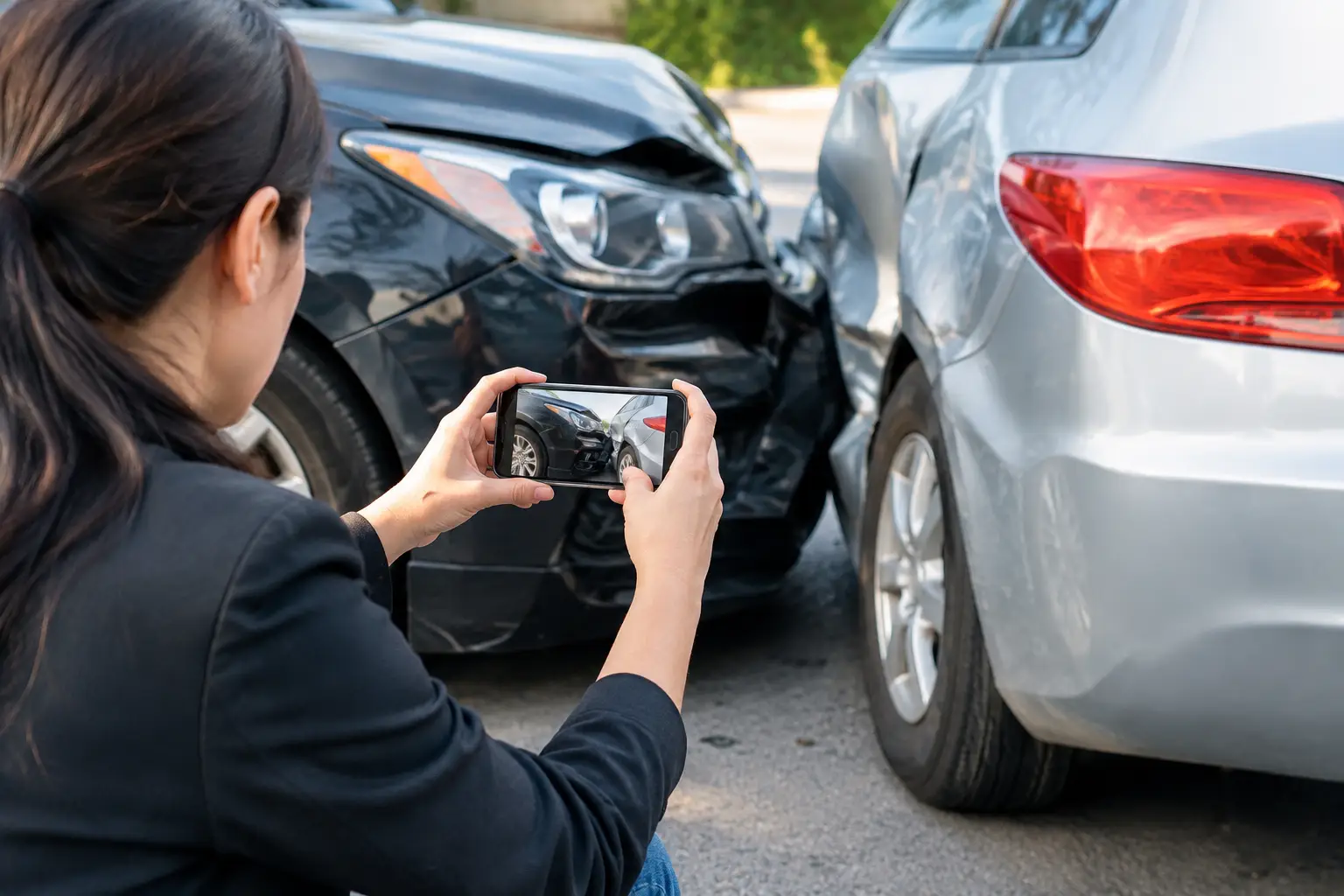
The minutes after a serious wreck are disorienting. You may be hurt, worried about your passengers, or trying to move safely out of traffic. Still, knowing how to preserve crash evidence can make a meaningful difference later, when an insurance company questions what happened, how severe your injuries are, or who caused the collision.
Evidence does not wait. Skid marks fade, damaged vehicles are repaired or sold, surveillance footage is overwritten, and witnesses become harder to locate. You do not have to investigate your own case while injured, but a few careful steps can protect the facts before they disappear.
How to Preserve Crash Evidence at the Scene
Your first responsibility is safety. Call 911, accept medical help when you need it, and follow directions from police and emergency personnel. Do not put yourself in danger to take photographs or argue with another driver.
If it is safe to do so, use your phone to document the scene before vehicles are moved. Take wider photos that show the intersection, lanes, traffic signals, weather conditions, debris, and the positions of the vehicles. Then take closer photos of vehicle damage, broken glass, skid marks, road defects, deployed airbags, and any visible injuries.
Video can be especially useful. A slow walk-around video may capture details that still photos miss, such as the flow of traffic, blocked signs, construction zones, or a vehicle’s final resting place. Speak only to describe what you see, rather than guessing about speed or fault.
Exchange insurance and contact information with the other driver, but keep the conversation brief. Statements made in the shock of a collision can be misunderstood or used against you later. Avoid apologizing, accepting blame, or agreeing that you are “fine” when you have not yet been evaluated.
If witnesses stopped, ask for their names and phone numbers. Independent witnesses can be important when drivers give conflicting accounts. Police may include some witness information in the crash report, but not every person who saw the wreck will remain at the scene long enough to speak with an officer.
Protect the Physical Evidence
The vehicles themselves may be among the strongest pieces of evidence in an auto or truck accident claim. Damage patterns can help show the angle of impact, the force involved, and whether a safety system functioned as expected. Do not authorize repairs, disposal, or salvage until the vehicle has been thoroughly photographed and, when appropriate, inspected.
This issue is particularly urgent after a commercial truck crash. Trucks may contain electronic control modules, dash cameras, onboard communications, inspection records, and driver logs. Some of that information can be overwritten or lost under ordinary business practices. A prompt written request to preserve relevant materials may be necessary.
Keep damaged personal items as well. A cracked helmet, torn clothing, child safety seat, broken phone, or damaged bicycle may help demonstrate the force of the impact. Store these items in a dry, secure place and photograph them before cleaning or replacing them.
If your car is towed, find out where it is being held, obtain the towing company’s contact information, and save all paperwork. Storage fees can add up quickly, but releasing a vehicle for salvage without documenting its condition can create a different problem. The right approach depends on the severity of the crash, the available coverage, and whether liability is disputed.
Save digital evidence before it changes
Modern vehicles and phones create records that can be useful, but they are not always permanent. Preserve any dashcam footage, photos, videos, text messages related to the wreck, rideshare records, or location history that may help establish a timeline.
Do not edit photos or videos. Keep the original files, including their dates and metadata, and make backups in more than one location. If you share images with an insurer, retain your own complete copies.
Nearby businesses, homes, and traffic cameras may also have footage. Many systems automatically record over old video within days or weeks. Write down the locations of cameras you noticed, even if you cannot obtain the footage yourself. An attorney can help seek preservation of video before it is erased.
Get Medical Care and Keep the Records
Some crash injuries are obvious immediately. Others, including concussions, soft-tissue injuries, and certain back or neck injuries, may become more noticeable after the adrenaline wears off. Seeking prompt medical care is about your health first. It also creates a record connecting your symptoms and treatment to the collision.
Follow through with recommended appointments, therapy, imaging, and referrals. Gaps in care can give an insurance company an opening to argue that you were not seriously injured or that another event caused your symptoms. If a provider’s recommendation is not practical because of cost, transportation, or work demands, tell the provider and document the reason rather than simply disappearing from treatment.
Keep a folder for medical bills, discharge papers, prescriptions, work restrictions, receipts, and insurance correspondence. A simple journal can also help. Record pain levels, sleep problems, mobility limits, missed activities, and the ways your injuries affect work and family responsibilities. Those day-to-day details are easy to forget months later, yet they often show the real human cost of a wreck better than a billing statement alone.
Be Careful With Insurance Communications
You should report a crash to your own insurer within the required time, but be cautious about recorded statements and broad requests for medical authorizations. The other driver’s insurer is not there to protect your interests. Early calls may come before you know the full extent of your injuries or whether you will need ongoing care.
Do not sign a release, accept a quick settlement, or give unrestricted access to years of medical records without understanding what you are agreeing to. A settlement can close your claim even if later treatment reveals a more serious injury. This is especially risky when a collision involves a head injury, spinal symptoms, surgery, or time away from work.
Keep every letter, email, claim number, and voicemail. Save screenshots of online claim portals, including messages that show what the insurer requested and when you responded. Accurate records reduce confusion and help establish a clear timeline.
Preserve Evidence Without Hurting Your Claim
Social media can create unnecessary problems after a crash. A photo from a family gathering or a short video of you walking may be taken out of context by an insurer looking for a reason to minimize your injuries. Consider tightening privacy settings and avoid posting about the wreck, your medical care, settlement discussions, or your activities while your claim is pending.
That does not mean deleting existing posts or messages. Deleting material after a claim begins can raise questions and may create legal complications. Preserve what exists, then be thoughtful about what you share going forward.
The same principle applies to written communications. Do not speculate in texts or emails about fault, speed, injuries, or what another person “must have” been doing. Stick to known facts. If you remember something later, write it down with the date rather than trying to reconstruct it from memory months afterward.
When a Lawyer Can Step In Quickly
A serious crash can involve evidence that an injured person cannot realistically obtain alone, particularly when a commercial vehicle, defective roadway, disputed liability, or a fatal injury is involved. A lawyer can coordinate inspections, seek preservation of records and video, communicate with insurers, and build the claim while you focus on medical care and your family.
At Burton Law Group, injured Oklahomans are treated as people facing a difficult moment, not files moving through a high-volume system. Getting help early can give your advocate more time to protect the evidence that tells your story.
You do not need perfect photographs or every document to ask for guidance. Start with what you have, protect what remains, and give yourself the room to heal while the facts of the crash are still available.