






After Truck Accidents, What Should Families Do?
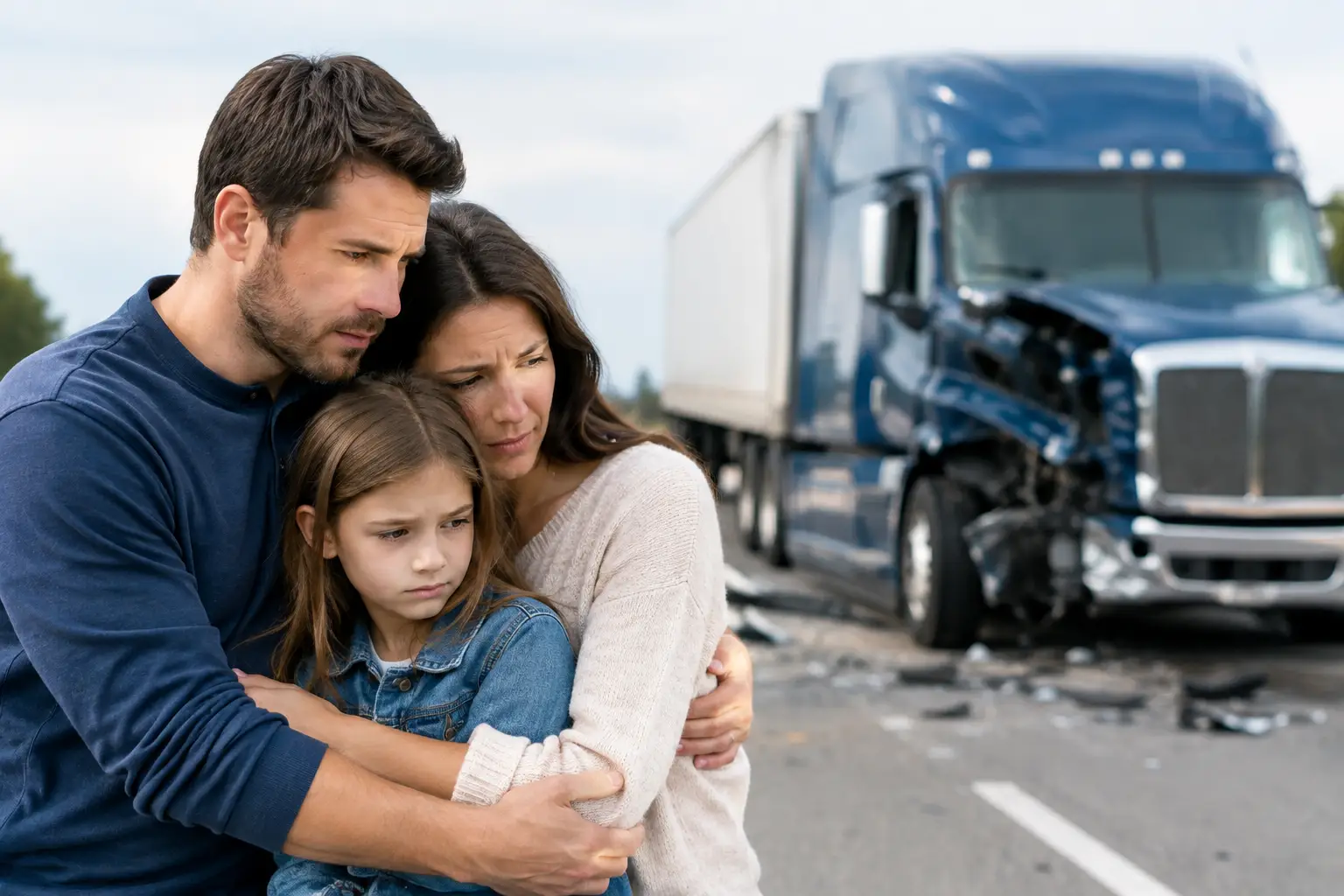
A passenger vehicle can be crushed in seconds when a commercial truck loses control, turns across traffic, or cannot stop in time. After truck accidents, Oklahoma families are often left managing painful injuries, missed paychecks, damaged vehicles, and calls from insurance companies before they have had time to understand what happened. The steps taken in the first days can affect both a person’s recovery and the ability to pursue fair compensation.
A collision involving a semi-truck, delivery vehicle, tanker, or other commercial vehicle is not simply a larger car crash. The injuries may be more severe, and the legal questions are often more complicated. A trucking company, driver, maintenance provider, cargo loader, broker, or manufacturer may all have information that matters. Families should not have to sort through that pressure alone while trying to heal.
Why truck accidents require a closer investigation
Commercial trucks are heavy, difficult to maneuver, and subject to safety rules that do not apply to most passenger vehicles. A fully loaded tractor-trailer needs far more distance to stop than a car. A driver who is fatigued, distracted, speeding, impaired, or following too closely may have little chance to avoid a serious collision.
The cause is not always obvious at the scene. A driver may have exceeded allowable driving hours, ignored a maintenance problem, failed to inspect the vehicle, or been pressured to meet an unrealistic delivery schedule. Improperly secured cargo can shift and cause a rollover. Defective brakes, tires, steering components, or lights can also turn an ordinary trip into a devastating event.
That is why a quick statement that the truck driver was “at fault” may not tell the whole story. A thorough investigation looks beyond the roadway and asks what the driver, trucking company, and others knew or should have known before the crash.
The evidence can disappear faster than families expect
After a serious crash, the trucking company and its insurer may begin gathering information right away. Their goal is to protect their interests. Injured people deserve the same urgency when it comes to protecting evidence.
Some of the most useful evidence is time-sensitive. It may include the truck’s electronic logging data, onboard video, GPS information, inspection reports, maintenance records, dispatch communications, load documents, and the driver’s qualification and training files. Physical evidence from the vehicles, photographs of the scene, witness accounts, and nearby surveillance footage can also become harder to obtain as time passes.
A police report is valuable, but it is only one part of the picture. Officers must make decisions with limited time and information at a difficult scene. Later evidence may clarify how fast the truck was traveling, whether braking occurred, how long the driver had been on duty, or whether the vehicle had a known mechanical issue.
An attorney can send a preservation request to place responsible parties on notice that relevant evidence should not be destroyed or altered. This does not guarantee every record will be available, but prompt action can make a meaningful difference.
What to do after a truck crash
The immediate priority is safety and medical care. Accept emergency treatment when it is needed, and follow up with a doctor even if symptoms seem manageable at first. Adrenaline can conceal serious injuries, including concussions, internal injuries, spinal damage, and soft-tissue injuries that worsen over time.
If it can be done safely, take photographs of the vehicles, the road, debris, skid marks, traffic signs, visible injuries, and the surrounding area. Keep copies of medical instructions, bills, prescriptions, repair estimates, towing paperwork, and any notices from insurers. A simple written record of pain levels, appointments, missed work, and ways the injuries affect daily life can help document losses that do not show up on a single bill.
Be careful when discussing the crash with an insurance adjuster. You may need to report the incident to your own insurer, but you do not have to guess about fault, minimize your injuries, or give a recorded statement before you understand the consequences. Statements made while a person is medicated, exhausted, or still learning the extent of an injury can later be used to challenge a claim.
Social media deserves the same caution. An image or comment can be taken out of context by someone looking for a reason to argue that an injury is less serious than reported. Privacy settings help, but they do not make a post unavailable in every circumstance.
Who may be responsible for a truck accident?
Responsibility may rest with more than one party. The truck driver may have made an unsafe decision, but the trucking company may also be accountable if it hired an unqualified driver, failed to train or supervise the driver, encouraged unsafe scheduling, or neglected maintenance. In other cases, a cargo company may have loaded the trailer improperly, or a manufacturer may bear responsibility for a defective vehicle part.
This matters because commercial trucking cases can involve substantial insurance coverage, multiple insurers, and competing efforts to shift blame. It also affects what evidence must be reviewed and which parties should be included in a claim.
Oklahoma law can allow an injured person to recover damages even when the other side argues the person shares some responsibility. However, fault can affect recovery, and the specific facts matter. A sudden lane change, poor weather, construction zone, mechanical failure, or disputed traffic signal may all become part of the defense. Clear evidence and careful analysis are essential.
Compensation should reflect the full harm, not just the first bill
A fast settlement offer may sound helpful when bills are arriving and work is impossible. But an offer made early may not account for future treatment, rehabilitation, reduced earning ability, permanent limitations, or the strain placed on a family. Once a claim is settled, reopening it is usually difficult or impossible.
Depending on the circumstances, compensation may address medical expenses, future care, lost income, reduced capacity to earn a living, property damage, physical pain, emotional distress, and loss of enjoyment of life. When a truck collision causes a fatal injury, surviving family members may face additional legal questions while grieving an irreplaceable loss.
There is no honest one-size-fits-all value for a truck accident case. The nature of the injuries, available evidence, insurance coverage, medical prognosis, fault, and effect on daily life all matter. What should not be minimized is the human cost. A person who cannot lift a child, return to a physical job, sleep without pain, or drive without fear has suffered losses that extend well beyond the crash scene.
When it makes sense to speak with an attorney
Legal guidance is particularly valuable when a truck collision causes serious injury, a death, extended time away from work, disputed fault, or pressure from an insurer to settle quickly. It can also help when the crash involved a commercial vehicle, even if the initial facts appear straightforward.
A plaintiff-side attorney can investigate the collision, identify the parties involved, communicate with insurers, calculate losses, and prepare a claim for negotiation or litigation when necessary. That support allows injured people to focus more of their energy on treatment and family rather than paperwork and insurance tactics.
At Burton Law Group, injured Oklahomans are treated as people, not files. A serious truck crash can change a family’s financial security and sense of stability overnight. Getting clear answers early can help protect both the claim and the space a family needs to begin moving forward.