





Uninsured Driver Claim Guide for Oklahoma Crashes
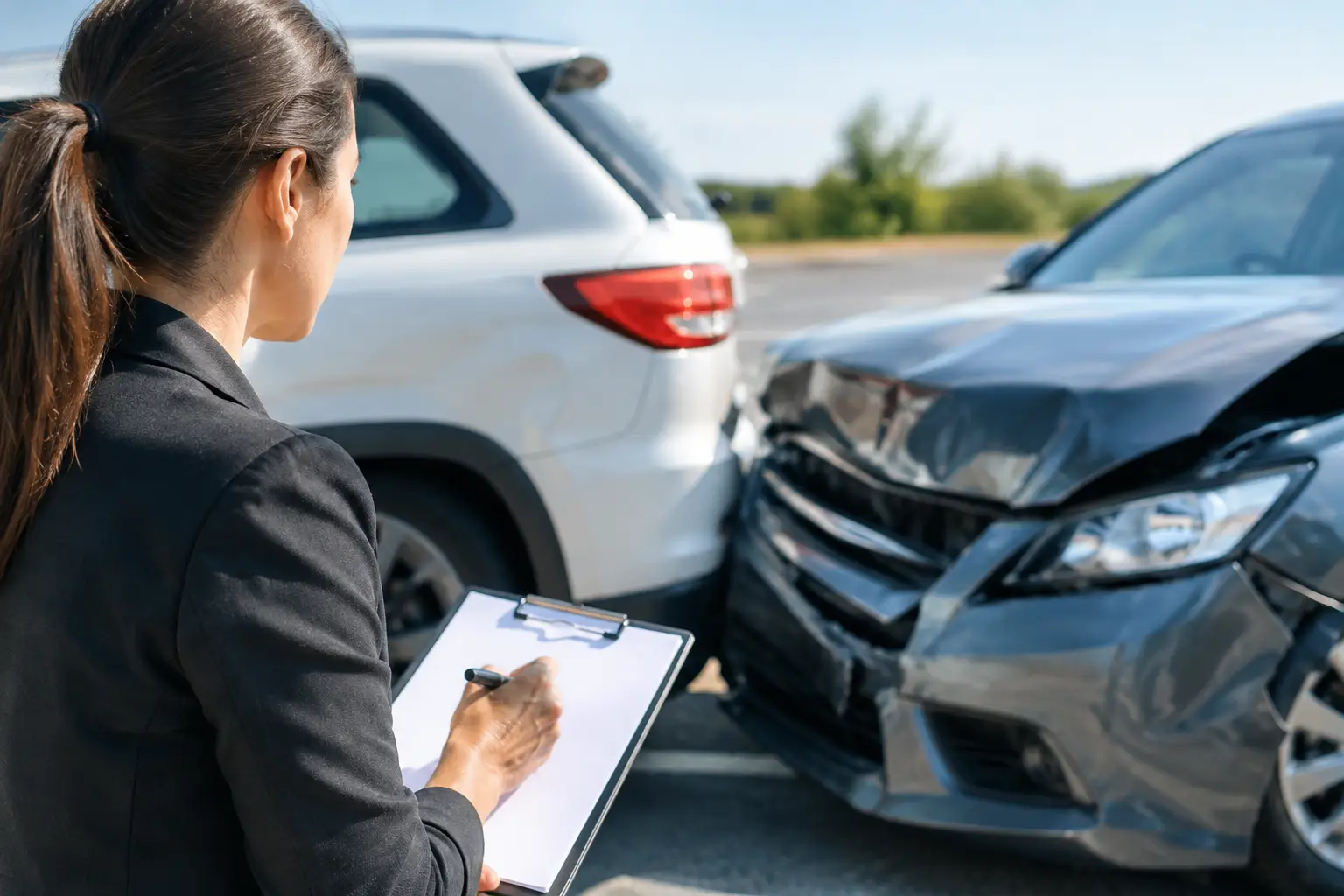
A driver hits your vehicle, you are injured, and then you learn they have no insurance. The shock of a crash can quickly turn into fear about medical bills, missed paychecks, and whether anyone will be held accountable. This uninsured driver claim guide explains the practical steps Oklahoma families can take to protect themselves when the at-fault driver cannot pay.
An uninsured collision does not automatically mean you are out of options. In many cases, the coverage you have been paying for may be the source of compensation. The details matter, though, and early mistakes can give an insurance company reasons to question, delay, or reduce a claim.
Start Protecting Your Claim at the Scene
Call 911 and request a police officer after any injury crash. A report can identify the drivers involved, document what witnesses observed, and record whether the other motorist presented valid insurance information. Do not rely on a driver’s verbal promise to pay later. Someone who cannot provide insurance at the scene may also be difficult to locate after leaving it.
Get medical care promptly, even if your pain seems manageable in the first few hours. Adrenaline can hide serious injuries, including concussions, neck injuries, internal damage, and soft-tissue trauma. Following through with recommended care also creates a record connecting your injuries to the collision.
If you safely can, take photographs of vehicle damage, the road, traffic signs, skid marks, and visible injuries. Save the names and contact information of witnesses. These details may become critical if the uninsured driver disputes fault or your own insurance company challenges the value of your injuries.
You should also preserve practical evidence after you leave the scene. Keep copies of medical bills, discharge instructions, repair estimates, prescription receipts, mileage to appointments, and records of time missed from work. A claim is not limited to the first emergency room bill. The full effect of the crash may continue for months.
How Uninsured Motorist Coverage Can Help
Uninsured motorist coverage, often called UM coverage, is designed to protect you when an at-fault driver has no liability insurance. It may also apply when a hit-and-run driver cannot be identified. Although you generally make the claim with your own insurer, the claim is still adversarial when the insurer disputes fault, injuries, or the amount owed.
UM coverage may be available to more people than the person driving the insured vehicle. Depending on the policy and circumstances, it can protect a passenger, a family member in the household, or an insured person hurt while walking or bicycling. The language in the policy controls, which is why a careful review matters.
This coverage can potentially compensate for medical expenses, lost income, reduced future earning ability, pain and suffering, and other losses caused by the collision. The available amount depends on the policy limits and the facts of the injury. A minor crash with a short course of treatment requires a different approach than a collision that causes surgery, permanent limitations, or the loss of a loved one.
Uninsured and Underinsured Are Not the Same
An uninsured driver has no applicable liability coverage. An underinsured driver has coverage, but their policy limit is too small to fairly cover the harm they caused. For example, a driver may carry a liability policy that pays its limit, yet that amount may not come close to covering a lengthy hospitalization and months away from work.
Underinsured motorist coverage, often called UIM coverage, may address that gap. Your policy may use combined UM/UIM language, but the way benefits are calculated can be complicated. Before accepting an at-fault driver’s settlement offer, it is wise to understand how it could affect a UIM claim. A release signed too early can create serious problems.
Report the Crash, But Choose Your Words Carefully
Notify your insurer promptly that a collision occurred and that the other driver appears uninsured. Most policies contain notice requirements, and waiting can invite an argument that the company was deprived of the chance to investigate.
Prompt notice does not mean you should give a recorded statement before you understand your injuries or have legal guidance. An adjuster may sound friendly while asking questions that frame the crash as your fault or minimize what you are experiencing. Give accurate basic information, but do not guess about speed, injuries, future treatment, or who was responsible.
Be especially cautious with broad medical authorizations. Insurers may seek records unrelated to the wreck in an effort to blame your pain on an old condition. A prior injury does not erase your right to compensation when a crash worsens it, but the medical history must be presented carefully and honestly.
What an Insurer May Dispute
Your own insurer owes duties under the policy, but it does not simply pay every UM claim at face value. The company may investigate whether its insured caused or contributed to the crash, whether the other driver truly lacked coverage, whether treatment was necessary, and whether the claimed losses are supported by evidence.
Oklahoma follows a comparative negligence system. If you are found partly responsible, your recovery can be reduced by your percentage of fault. If your responsibility reaches a certain threshold, recovery may be barred. That makes accident reconstruction, witness statements, photographs, and vehicle data more than paperwork. They can directly affect what your family receives.
The insurer may also argue that a gap in treatment means you healed, that you returned to work too soon for injuries to be severe, or that vehicle damage was too limited to cause real harm. None of those arguments is automatically correct. People respond to trauma differently, and visible damage does not always reflect what a person’s body absorbed in a collision.
A Practical Uninsured Driver Claim Guide for Oklahoma Families
The strongest claims usually develop through steady documentation rather than one dramatic moment. Continue medical care as directed, describe your symptoms accurately, and let providers know how your injuries affect sleep, mobility, household responsibilities, and work. Do not exaggerate, but do not downplay what you are dealing with simply because you are trying to push through it.
Avoid posting about the crash, your activities, or the claim on social media while it is pending. A single photograph without context can be used to suggest you are less injured than you are. The same is true of casual comments to adjusters, coworkers, or the other driver’s insurer.
Do not assume the policy declaration page tells the whole story. There may be questions about multiple vehicles, household policies, exclusions, limits, or whether coverage can be combined. Oklahoma insurance law can be fact-specific, and an insurer’s first interpretation is not necessarily the final answer.
Deadlines deserve immediate attention. Oklahoma injury claims often have a two-year filing deadline, but the appropriate deadline and notice obligations can depend on the type of claim, the parties involved, and the insurance policy. A UM claim may also involve contractual deadlines or provisions that require attention well before a lawsuit deadline. Waiting until the last minute can limit the options available to protect your rights.
When Legal Help Makes a Meaningful Difference
An attorney can investigate coverage, gather proof of fault, communicate with adjusters, calculate the full extent of losses, and prepare the claim for negotiation or litigation when necessary. This is particularly valuable when injuries are serious, a driver fled the scene, fault is disputed, or the insurer offers less than the claim warrants.
At Burton Law Group, injured Oklahomans are treated as people facing a difficult disruption, not as files moving through a high-volume process. A careful legal review can bring clarity to what coverage exists and what steps should come next.
After an uninsured-driver crash, focus first on your health and the evidence that protects your future. Asking for help early can give you and your family the space to recover while someone stands up for the compensation you deserve.