






Best Evidence for Injury Claims That Holds Up
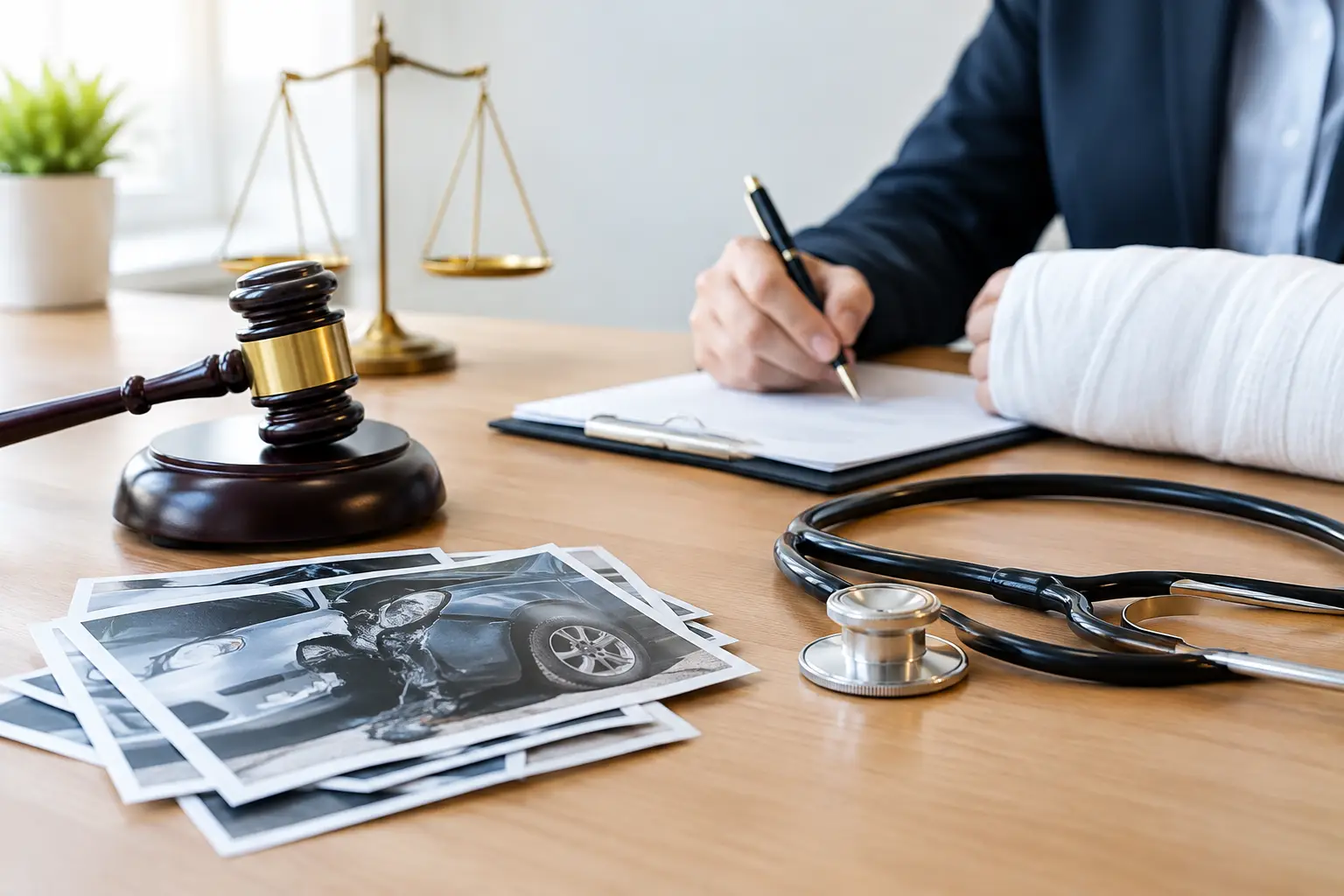
A wrecked vehicle can be repaired. A hazardous spill can be cleaned up. A missing security video can be recorded over within days. But the pain, lost wages, and uncertainty that follow an injury do not disappear simply because the visible scene has changed. The best evidence for injury claims is the proof that connects what happened to the harm it caused and shows what that harm has cost you.
Insurance companies often have adjusters, investigators, and attorneys working to limit what they pay. They may argue that an injury was preexisting, treatment was unnecessary, or an accident was not as serious as you say. Strong evidence gives your account the support it deserves. It can also protect your claim before memories fade and critical records vanish.
Why Evidence Matters So Much in an Injury Claim
An injury claim is not decided by pain alone, even when that pain is very real. To recover compensation, an injured person generally must show that someone else had a responsibility to act safely, failed to do so, and caused measurable harm. In a car or truck collision, that may mean proving a driver was speeding, distracted, impaired, or failed to yield. In a fall, it may mean showing a property owner knew or should have known about a dangerous condition.
The right evidence tells the story in a way that cannot easily be dismissed. It establishes the facts of the incident, documents the injury and treatment, and demonstrates the financial and personal consequences. Not every case needs every type of proof. A straightforward rear-end collision may be supported by a police report, vehicle damage, and medical records. A disputed truck accident or serious workplace injury may require a much deeper investigation.
The Best Evidence for Injury Claims Starts at the Scene
Evidence is often strongest when it is gathered close to the incident. If your injuries allow, photographs and video can preserve details that may be gone by the time an insurance company begins its review. Capture the overall scene, then take closer images of vehicle positions, damage, traffic signs, debris, poor lighting, wet floors, broken handrails, or other hazards.
For a vehicle crash, photographs should include all vehicles involved, license plates, the roadway, skid marks, intersections, and any visible injuries. Do not assume a police report will include every important detail. An officer may arrive after vehicles have been moved, and reports sometimes contain errors or limited observations.
If you cannot safely document the scene, ask a trusted family member or friend to help. Your health comes first. Never put yourself at risk in traffic or delay emergency care to collect evidence.
Witness information is equally valuable. An independent witness who saw a driver run a red light or saw how long a spill had been on the floor can provide a perspective that is not tied to either side. Get names and contact information when possible. A brief note about what the person observed can help later, especially when weeks or months have passed.
Some evidence is not in your hands. Nearby businesses, homes, dash cameras, traffic cameras, and security systems may have useful footage. These recordings can be erased quickly under routine retention policies. Prompt action matters.
Medical Records Create the Link Between the Incident and Your Injury
Medical documentation is the backbone of many injury claims. It is not enough to show that an accident occurred. Your records must also help establish that the incident caused, aggravated, or materially worsened your condition.
Seek medical care promptly when you are hurt. Adrenaline can mask symptoms after a collision or fall, and certain injuries, including concussions, internal injuries, and soft-tissue damage, may not feel serious at first. Prompt evaluation protects your health and creates a contemporaneous record of what you reported, what a provider found, and what treatment was recommended.
Be accurate with your providers. Explain how the injury happened, identify every area that hurts, and describe changes in your ability to work, sleep, drive, lift, walk, or care for your family. Do not exaggerate, but do not minimize symptoms out of habit or concern about seeming difficult. Vague or incomplete reports can later be used to question the severity of your injury.
Follow reasonable treatment recommendations and keep appointments when you can. Gaps in care do not automatically destroy a claim. People miss appointments because of work schedules, transportation, childcare, financial pressure, or worsening symptoms. Still, an insurer may point to a long treatment gap as an argument that you recovered or were not seriously injured. When a gap is unavoidable, keep records that explain why.
Medical evidence may include emergency room notes, imaging studies, specialist evaluations, therapy records, medication records, surgical recommendations, and future-care opinions. In significant cases, a treating physician or qualified expert may be needed to explain permanency, work restrictions, or the care you will likely need in the future.
Preexisting Conditions Require Honesty, Not Panic
Many Oklahomans have prior injuries, arthritis, old work injuries, or chronic conditions. That does not mean they cannot bring an injury claim. A new accident can aggravate a preexisting condition or cause a distinct new injury.
The key is honesty. Do not hide prior treatment or assume an insurer will not find it. Medical records and a clear explanation from your providers can distinguish an old condition from a new aggravation. Trying to conceal history usually gives the insurance company an opening it did not need.
Financial Records Show What the Injury Has Taken From You
A claim should account for more than the first medical bill. Keep copies of every bill, receipt, explanation of benefits, prescription cost, mileage expense, and invoice for medical equipment or home assistance. Even where health insurance pays part of the charges, those records can matter.
Lost-income documentation is just as important. Pay stubs, tax returns, direct deposit records, work schedules, and a written statement from an employer can establish missed time and reduced earnings. For self-employed people, the proof may include invoices, canceled jobs, calendars, profit-and-loss statements, and communications with customers. These claims can be more complex, but they are no less real.
A simple daily journal can also be persuasive evidence of how an injury affects ordinary life. Record pain levels, missed events, sleep disruption, mobility problems, help you need at home, and activities you can no longer do comfortably. A journal is most useful when it is factual and consistent, not written as if it is trying to persuade someone.
Protect Your Credibility While Your Claim Is Pending
Your own words and actions can become evidence. Give factual information to law enforcement and medical providers, but be careful about recorded statements requested by the other party’s insurance company. A quick question can be framed in a way that invites an incomplete answer before you understand the full extent of your injuries.
Social media can create similar problems. A single photo from a family gathering may be used to suggest you are fully recovered, even if it captures only a few minutes of a difficult day. Consider limiting public posts about the accident, your injuries, travel, activities, or the claim. Never delete or alter material after a claim begins without legal advice, since that can create separate complications.
Keep a dedicated folder, paper or digital, for claim-related documents. Save emails, text messages, estimates, medical paperwork, photographs, and notes about phone calls. Back up images and videos in more than one place. Organization makes it easier to identify what is missing and respond when questions arise.
When an Attorney Can Help Preserve Critical Proof
Some evidence must be requested or preserved before it disappears. This can include truck driver logs, vehicle data, company maintenance records, incident reports, surveillance video, phone records, and witness statements. In cases involving serious injuries or disputed fault, waiting for an insurer to conduct a fair investigation can be a costly gamble.
An experienced injury attorney can investigate the facts, send preservation notices, collect records, calculate losses, and deal with insurance representatives while you focus on treatment. At Burton Law Group, injured Oklahomans are treated as people facing a difficult disruption, not as files moving through a high-volume system.
The most helpful step is often the earliest one: preserve what you can, get appropriate medical care, and ask questions before signing away rights or accepting a quick settlement. Evidence cannot undo an injury, but it can give your experience the clear, credible foundation it needs to be heard.