






Understanding Oklahoma Workers’ Compensation Benefits: Medical Care, Wage Replacement, and Permanent Disability Explained
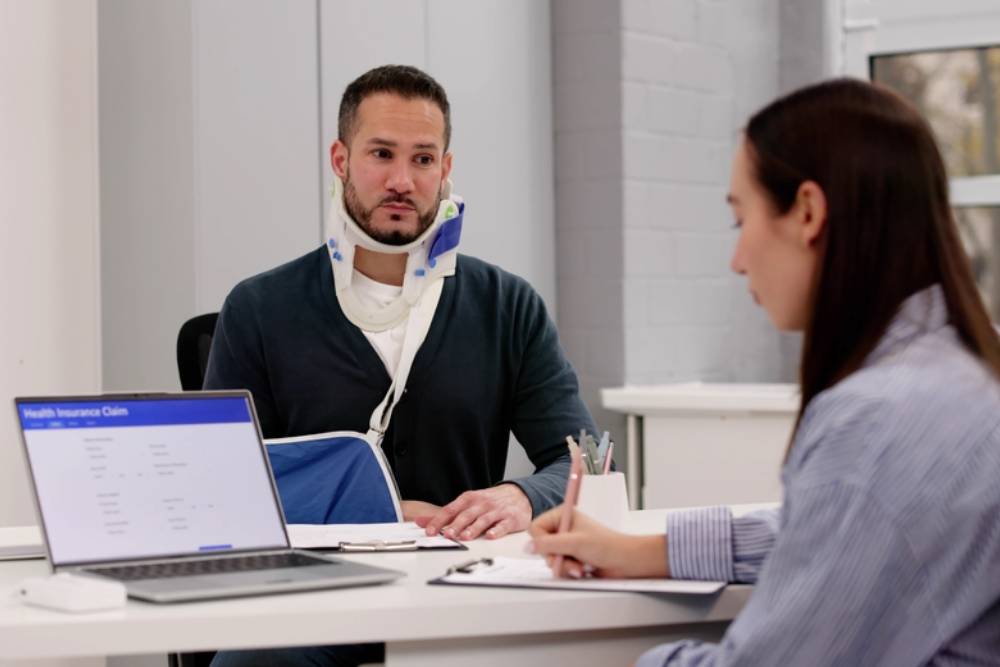
If your paycheck stops because your doctor says you cannot work, why does your claim sometimes stall anyway?
Benefits in Oklahoma depend on what is authorized, what is documented, and what is filed on time, not just on the fact that an injury happened. The fastest way to protect your position is to understand how each benefit works and what proof triggers payment.
If a doctor has taken you off work but the carrier is delaying care or checks, a review with a top-rated Tulsa workers comp attorney can identify what should be in place and what filing should happen next.
Medical Care and Authorized Treatment
In a workers compensation in Oklahoma, the employer or carrier commonly controls the initial treating doctor and what is “authorized.” That control affects referrals, imaging, therapy, prescriptions, and follow-up visits. If the carrier disputes the body part, questions causation, or delays approval, treatment can stall. The medical record then becomes the evidence that connects the condition to work and supports restrictions and later disability ratings.
Oklahoma rules allow many claimants to request one change of treating physician. When granted, the employer must provide a list of three qualified physicians (one may be a chiropractor) from which the claimant selects a replacement. If care is not progressing, a Tulsa workers comp attorney can help you use that procedure and can request a hearing when reasonable treatment is denied.
Wage Replacement and How Benefit Caps Work
Temporary checks replace a portion of wages while you heal. Under 85A O.S. § 45, temporary total disability generally pays 70% of the injured worker’s average weekly wage, capped at the state average weekly wage, for up to 156 weeks, with no payment for the first three days of the initial period. Temporary partial disability can apply when you can work only in alternative duties at reduced earnings; it generally pays 70% of the difference between pre-injury and post-injury wages, subject to statutory limits.
The maximum weekly amount depends on the injury date. Burton’s published schedule lists a maximum temporary total disability rate of $1,128.66 for injuries occurring from January 1, 2026 through December 31, 2026. The Oklahoma Workers’ Compensation Commission’s 2026 benefit materials reflect the same state average weekly wage figure. When checks are miscalculated or stopped, an Oklahoma city workers compensation lawyer can audit the wage base and press for back pay when owed. Keep every work-status note, pay stub, and mileage receipt; these documents often determine back pay and reimbursement disputes later directly.
Permanent Partial Disability After MMI
After maximum medical improvement (MMI), the claim often turns to permanent disability. For permanent partial disability, Oklahoma law requires competent medical testimony supported by objective medical findings, and the Commission’s administrative law judges determine the award. For body parts beyond scheduled members, impairment opinions must be based on the Sixth Edition of the AMA Guides.
The statute sets the permanent partial disability weekly rate at 70% of the employee’s average weekly wage, subject to a maximum that increased to $375 per week on July 1, 2025. Disputes often focus on whether the rating addresses job-related causation, whether treatment was received for the rated body part, and whether a preexisting condition is being used to reduce the award beyond what the proof supports. This is where workers comp injury attorneys focus on strengthening the medical record and presenting a clear disability theory.
Commission Process and Common Disputes
When treatment is denied or checks stop, the forum is the Oklahoma Workers Compensation Commission, which provides forms and procedures for filings such as change-of-physician requests and prehearing conferences. People still refer to the Oklahoma Workers Compensation Court, but the practical point is the same: disputes are decided through filings, medical evidence, and testimony. A strong workers comp attorney starts by preserving notice proof, work history, and consistent medical reporting.
Tulsa Workers Comp Attorneys for Fast Action on Underpaid Benefits
When medical care is delayed or checks are underpaid, you do not have to accept “wait and see” as the plan. A focused Oklahoma workers compensation review can identify missing authorizations, wage-rate errors, and the proof needed for permanent disability benefits.
If you want a Tulsa workers comp attorney who represents people instead of insurance companies, Burton Law Group is ready to step in. Use the record you already have to push for the benefits the law allows, then build the rest of the file the right way. Contact us today to set a confidential consultation in Tulsa and get clear next steps.