






Can Insurers Deny Storm Damage Claims in Oklahoma?
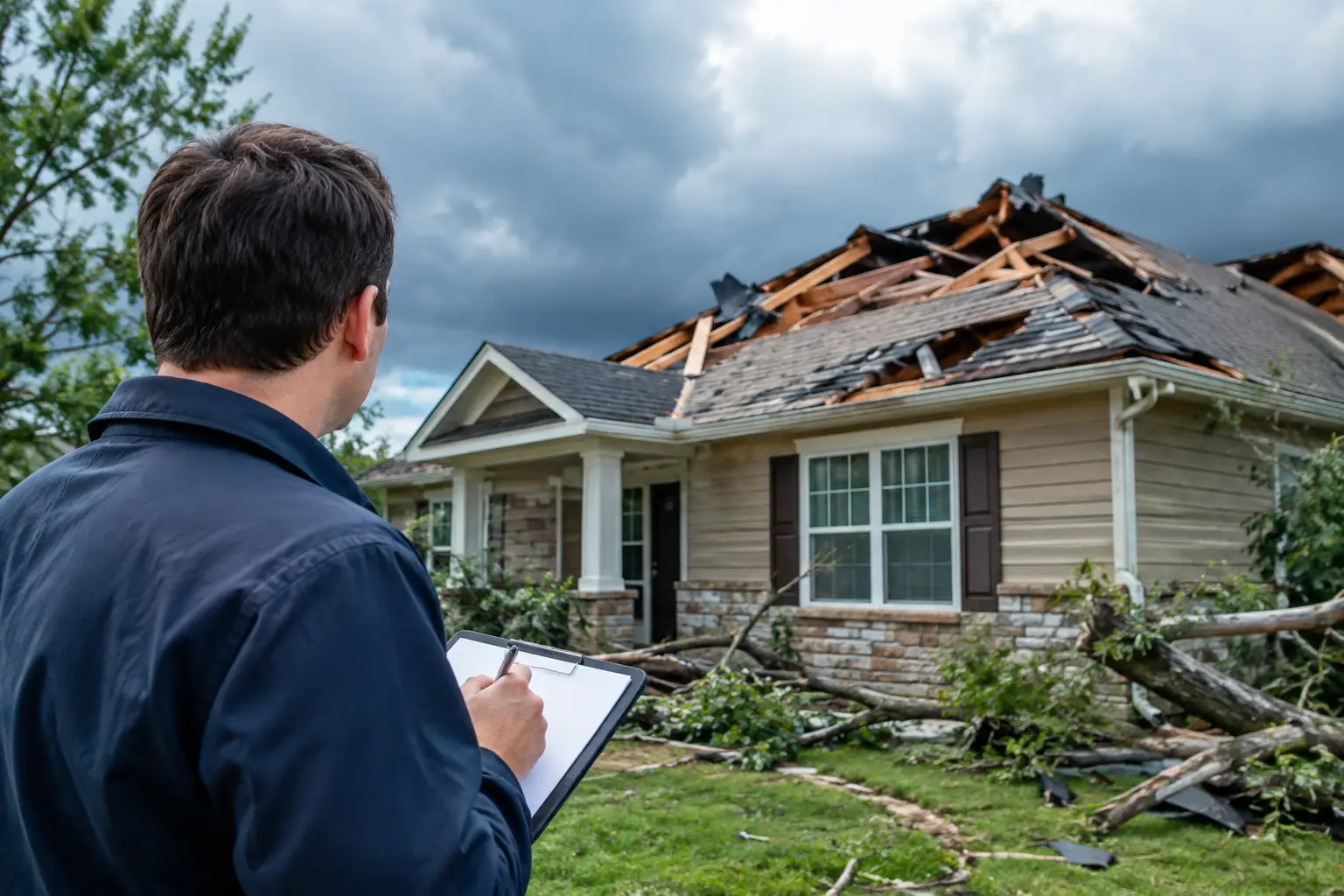
A severe Oklahoma storm can leave a home with torn shingles, broken windows, water stains spreading across a ceiling, or a fence collapsed into the yard. Then comes a second shock: the insurance company says the damage is not covered, offers far less than the repair estimate, or simply keeps asking for more information without making a decision.
So, can insurers deny storm damage claims? Yes, but a denial is not automatically fair, accurate, or final. The answer depends on the policy language, the actual cause of the damage, the condition of the property before the storm, and how the insurer investigated the claim. Homeowners should not assume that a letter marked “denied” ends the matter.
When can insurers deny storm damage claims?
An insurance policy is a contract, and coverage often turns on details that feel technical at the worst possible time. Insurers may have legitimate grounds to deny all or part of a storm claim when the loss falls outside the policy’s coverage or an exclusion clearly applies. But insurers also have a duty to investigate claims fairly and communicate their coverage decisions honestly.
A common dispute involves wind versus flood damage. Standard homeowners policies often cover wind-driven rain that enters through a storm-created opening, such as a roof damaged by high winds. They may not cover damage caused by rising surface water or flooding without separate flood insurance. That distinction can matter greatly after heavy rain, tornadoes, or severe thunderstorms.
Insurers may also point to pre-existing damage, wear and tear, poor maintenance, rot, mold, or faulty construction. For example, an adjuster might claim a leaking roof was already worn out before the storm. That does not necessarily mean the entire claim should be denied. A storm can cause new, covered damage even if a property had maintenance issues beforehand.
Other grounds insurers sometimes raise include:
- The policy had lapsed because a premium was not paid.
- The claimed loss falls under a deductible or a special wind or hail deductible.
- The homeowner did not report the claim promptly or did not protect the property from additional damage.
- The insurer believes the repairs claimed go beyond what the storm caused.
- The policy contains an exclusion or limitation that applies to a particular structure, item, or type of loss.
These issues are fact-specific. An insurer cannot fairly rely on a broad label like “wear and tear” without conducting a reasonable investigation into what happened during the storm.
A denial letter is not the whole story
Insurance companies have their own adjusters, consultants, engineers, and estimating systems. Their conclusions can influence whether a claim is paid, delayed, or denied. Yet those conclusions are not beyond question.
Read the denial letter closely. It should identify the policy provisions the insurer relied upon and explain its reason for denying coverage. Vague statements deserve attention. So do letters that acknowledge some storm damage while refusing payment for related repairs, such as interior water damage after wind allegedly lifted or damaged roof materials.
Ask for a complete copy of the policy if you do not have one, including declarations pages, endorsements, exclusions, and amendments. Endorsements can change standard coverage in meaningful ways. A policyholder may believe they bought broad coverage, only to discover that a special limitation was added at renewal. The insurer should be able to point to the actual language supporting its decision.
It is also wise to compare the insurer’s estimate with estimates from qualified local contractors. A low estimate may omit necessary work, undervalue materials, or assume that only a few shingles can be replaced when matching materials are no longer available. A contractor is not the final word on coverage, but a detailed repair assessment can expose gaps in an insurer’s evaluation.
What to do after storm damage occurs
The hours and days after a storm matter. Safety comes first. Stay away from downed power lines, unstable trees, damaged roofs, and standing water that may hide electrical hazards. Once it is safe, take reasonable steps to prevent additional damage, such as covering a damaged roof with a tarp or moving belongings away from a leak.
Document the property before permanent repairs begin. Take wide photos that show the overall area and close photos that show cracked shingles, dented gutters, broken siding, water intrusion, damaged personal property, and debris. Video can help show the scope of the loss. Keep copies of emergency repair invoices, receipts for temporary lodging if applicable, contractor estimates, and every communication with the insurer.
Report the loss promptly and keep a simple claim journal. Record the date of the storm, the date you reported the claim, the name of each company representative, what was said, and any documents you sent. If an adjuster inspects the property, be present if possible or have a trusted person attend. Point out every damaged area rather than assuming the adjuster will see it.
Do not throw away damaged materials until the insurer has had a reasonable opportunity to inspect them, unless keeping them creates a safety risk. At the same time, do not wait for an insurer’s permission to make emergency repairs needed to prevent further damage. Save the removed material when practical and preserve clear photographs if it cannot be saved.
Watch for delay, underpayment, and shifting explanations
A claim can be mishandled without being denied outright. Repeated requests for the same documents, long periods without updates, unexplained delays in inspections, or changing reasons for nonpayment may place a homeowner in a difficult position while repairs remain unfinished.
Underpayment can be just as disruptive as a complete denial. If the insurer agrees to replace part of a roof but the payment does not cover necessary labor, materials, disposal, permits, or related interior repairs, the policyholder may be left paying the difference. Oklahoma homeowners should also be careful before signing a release or cashing a check marked as full settlement if they still dispute the amount owed.
In some cases, an insurer’s conduct may raise concerns about bad faith. Oklahoma insurers are generally expected to deal fairly with policyholders, conduct an adequate investigation, and avoid unreasonably withholding benefits owed under a policy. A disagreement about coverage is not automatically bad faith. However, an insurer cannot use a questionable investigation, selective reading of evidence, or unreasonable delay as a way to avoid a valid claim.
When legal help may be appropriate
Consider speaking with an attorney when the damage is substantial, the insurer denies the claim, the offered payment is far below reasonable repair costs, or the company continues to delay a decision. Legal guidance can be especially valuable when the insurer says the loss resulted from an excluded cause, such as flood, wear and tear, or pre-existing damage, despite evidence of severe wind or hail.
An attorney can review the policy, denial letter, estimates, inspection reports, photographs, and communications with the insurer. Depending on the facts, the next step may involve requesting a clearer explanation, submitting additional evidence, challenging the carrier’s valuation, or pursuing a claim for benefits and improper claim handling.
At Burton Law Group, injured Oklahomans and families facing insurer resistance are treated as people, not files. When storm damage leaves your home unsafe or your finances strained, you deserve straightforward answers and an advocate who takes the insurer’s explanation seriously without simply accepting it.
Can a homeowner appeal a storm damage denial?
Often, yes. The policy may set out procedures for requesting reconsideration, submitting additional proof, appraisal, mediation, or other forms of dispute resolution. The best option depends on the policy and the reason for denial. Appraisal, for instance, may help resolve a disagreement about the amount of covered loss, but it may not decide whether the policy covers the loss in the first place.
Do not let a denial letter sit unanswered. Preserve your evidence, keep communication in writing when possible, and pay close attention to deadlines in the policy and under Oklahoma law. A careful response can make the difference between an insurer’s first answer and the full consideration your claim deserves.